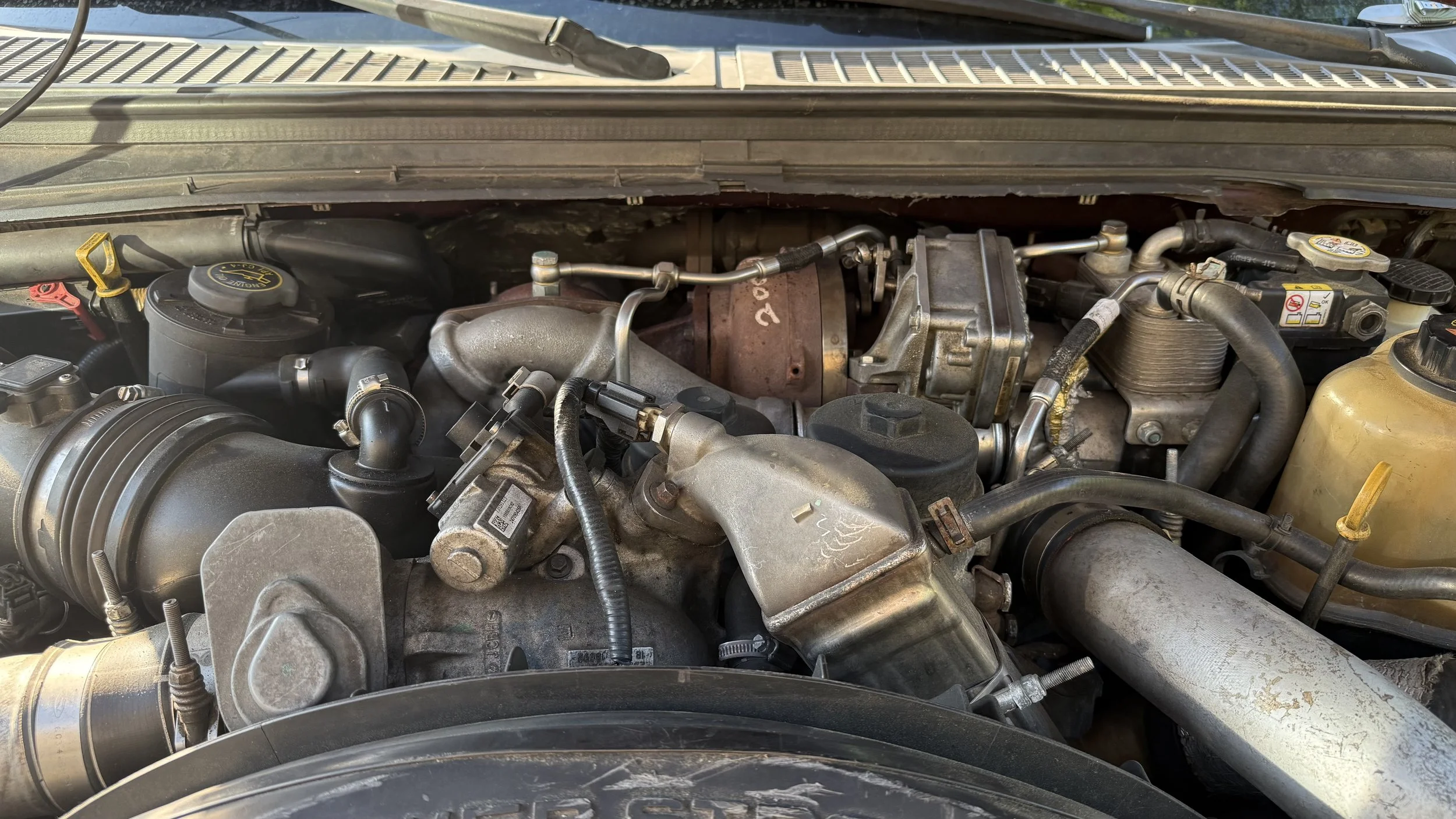
Ford PowerStroke 6.4L
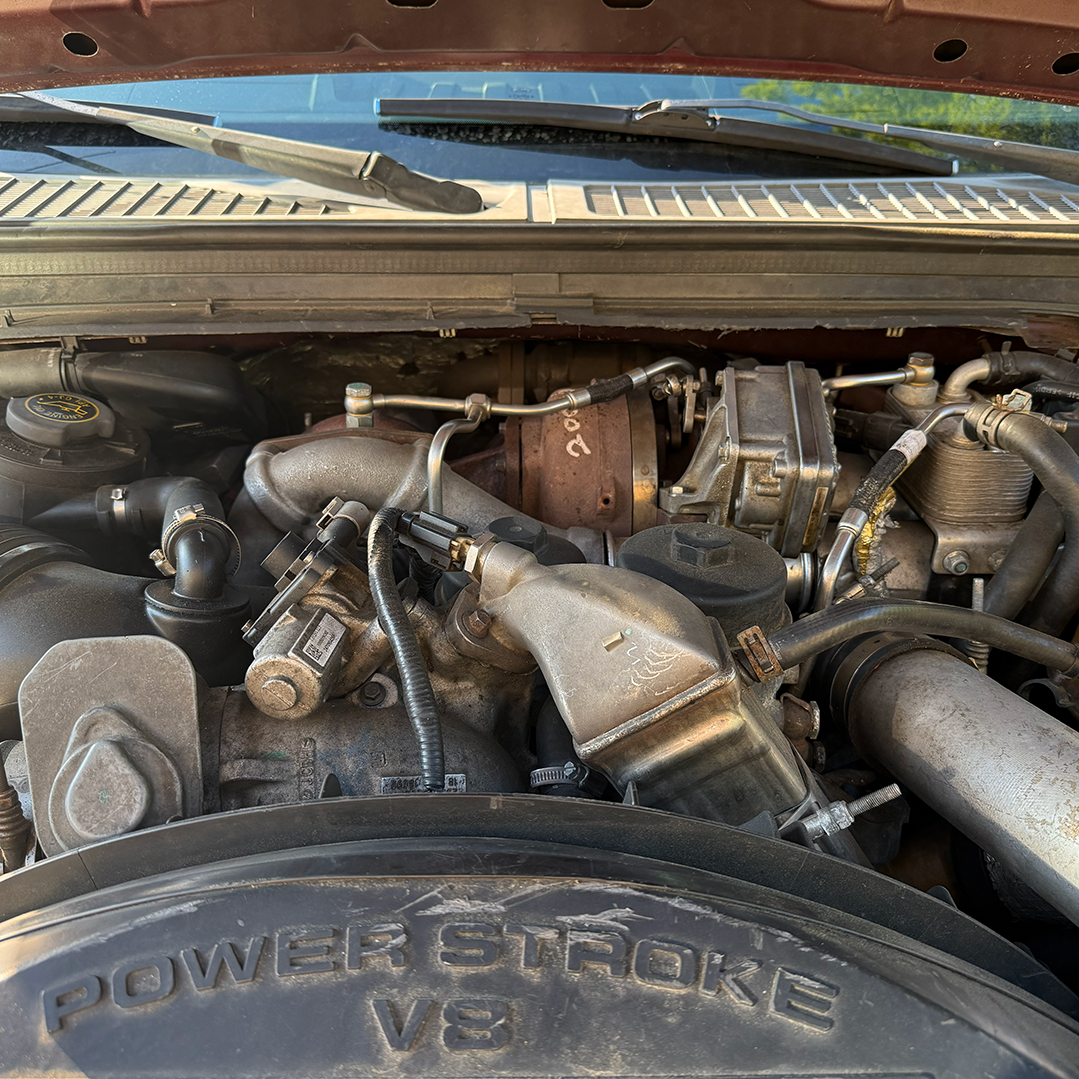
Ford Power Stroke 6.4L Diagnostics & Repair
The 6.4L Power Stroke (2008–2010 Super Duty) is Ford's most complex diesel platform — and one of the most misunderstood. Between its compound sequential turbocharger system, high-pressure common rail fuel injection, diesel particulate filter (DPF), and EGR cooler design, there are a lot of systems that can fail — and even more ways they get misdiagnosed.
ALP Enterprises provides mobile diagnostics, repair, maintenance, and upgrades for 6.4L Power Stroke trucks throughout Northeast Georgia and the I-85 corridor.
Why the 6.4L Needs a Specialist
The 6.4L uses a twin-sequential turbo system where a smaller high-pressure turbo spools first and feeds into a larger low-pressure turbo. Boost is managed by variable geometry vanes and a turbo control valve — and when any piece of that system drifts out of spec, you get poor throttle response, black smoke, limp mode, or all three. Diagnosing that correctly requires understanding how the two turbos hand off to each other, not just reading a boost pressure code.
The fuel system is equally demanding. The 6.4L runs a high-pressure common rail (HPCR) injection system with a fuel rail pressure north of 23,000 PSI. Injectors are piezo-actuated and precision-controlled by the PCM. Fuel contamination, pressure regulation faults, or failing injectors don't always throw obvious codes — but they will leave you stranded or slowly destroy other components if they're not caught.
At ALP Enterprises, we diagnose the system, not just the code.
Common 6.4L Issues We Handle
Emissions System Failures (DPF / EGR)
The 6.4L's factory emissions system is its biggest reliability weakness. The diesel particulate filter (DPF) requires periodic regeneration cycles to burn off accumulated soot, and when those regens fail or become too frequent, the DPF clogs, backpressure skyrockets, and the truck goes into limp mode or derates power.
The EGR (Exhaust Gas Recirculation) cooler is the other common failure point. Ford's original design is prone to cracking internally, which allows exhaust gas and coolant to mix. This leads to:
Coolant loss with no visible external leak
White smoke from the exhaust
Overheating under load
Contaminated engine oil (coolant in oil)
If you're seeing coolant disappear or getting a sweet smell from the exhaust, don't ignore it — EGR cooler failure left unchecked can lead to catastrophic engine damage.
Fuel System Issues
The 6.4L's high-pressure fuel system is robust but unforgiving when things go wrong. Common fuel-side problems include:
Fuel dilution in engine oil — a byproduct of excessive DPF regeneration cycles injecting raw fuel into the exhaust. If your oil level is rising on the dipstick, this is likely why. Left unchecked, it washes down cylinder walls and accelerates bearing wear.
Injector failure — piezo injectors are expensive and precise. A failing injector can cause rough idle, white/black smoke, misfires, and contribution imbalance codes.
Fuel pressure regulation faults — the fuel rail pressure sensor and volume control valve work together to maintain target pressure. When either drifts, driveability suffers.
Turbocharger Problems
The compound turbo setup on the 6.4L is a strong system when it's working correctly, but failures in the variable geometry turbo (VGT) actuator, sticking vanes, or a faulty turbo control valve can cause a wide range of symptoms:
Excessive black smoke
Lack of power or sluggish acceleration
Surging or hunting at idle
Turbo codes (P0046, P0299, P2262, P2263)
We verify turbo operation using live data — not guesswork.
Electrical and Sensor Faults
The 6.4L has a dense wiring harness and dozens of sensors feeding the PCM. Corroded connectors, chafed wiring, and failing sensors can create symptoms that mimic much bigger mechanical problems. We see this constantly — trucks that have had turbos, injectors, or pumps replaced when the real issue was a $30 sensor or a corroded pin in a connector.
Radiator and Cooling System Failures
The 6.4L runs hot by design, and the factory cooling system has well-known weak points. Radiator failures — particularly the plastic end tank crimped-style radiators — are extremely common and tend to let go without much warning. Coolant leaks at the upper and lower hoses, degas bottle, and water pump are also frequent.
When combined with an EGR cooler that's already leaking internally, a cooling system failure can escalate fast. We inspect the entire cooling circuit, pressure test the system, and verify EGR cooler integrity as part of our diagnostic process.